NANJING, JIANGSU, CHINA, August 7, 2026 /EINPresswire.com/ — Suppliers of orthopedic trauma implants from China are increasingly viewed as essential allies for hospitals in the Middle East that need dependable sourcing options for orthopedic implants. Their assistance goes beyond just supplying products, encompassing quality oversight, tailored solutions, clinical application alignment, and global procurement collaboration. Across markets such as Saudi Arabia, the UAE, Qatar, and elsewhere in the Middle East, hospital decision-making regarding supplier selection hinges on whether manufacturers offer consistent quality, regulatory guidance, and adaptable solutions for various surgical contexts.
What factors drive Middle East hospitals to select Chinese orthopedic trauma implant suppliers?
Through integrated manufacturing capabilities and adaptable partnership models, Chinese orthopedic trauma implant suppliers enable hospitals to boost procurement efficiency. Healthcare purchasers in the Middle East typically concentrate on several critical aspects:
Steady implant quality coupled with traceable manufacturing workflows.
Adherence to international quality management standards.
Capacity to deliver trauma fixation systems, surgical tools, and bespoke solutions.
Reliable export track record and communication assistance.
OEM and ODM services for distributors and medical facilities.
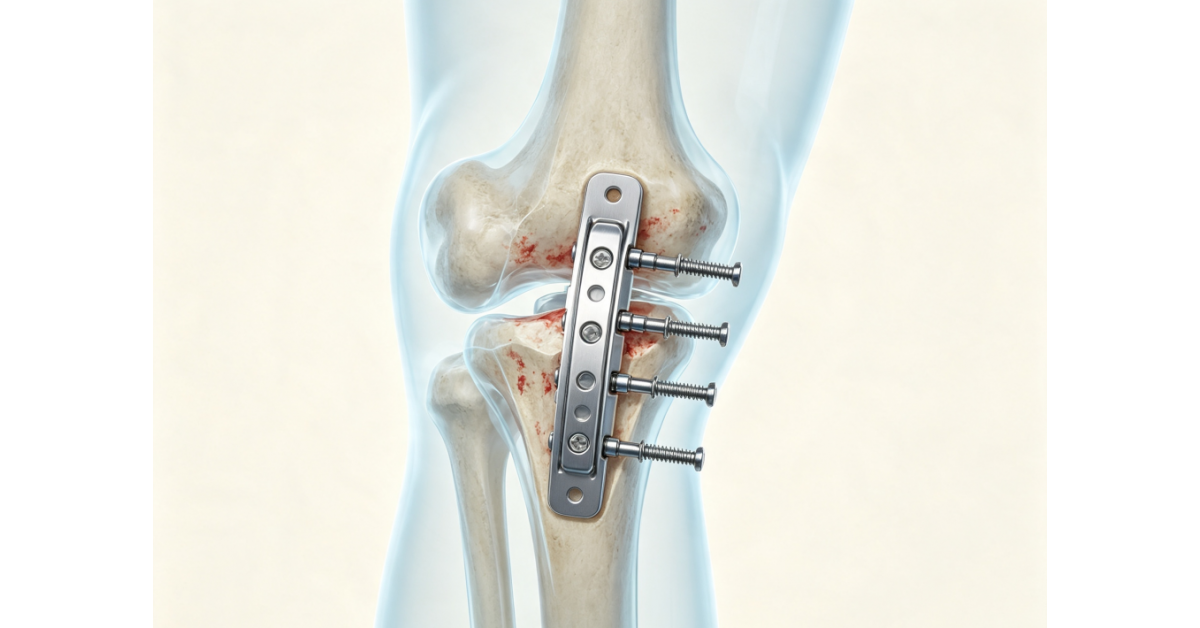
Orthopedic trauma implants are frequently applied in fracture stabilization, trauma procedures, reconstructive surgeries, and orthopedic operations. Hospitals require suppliers who comprehend clinical demands rather than merely offering off-the-shelf products.
In what ways do Chinese orthopedic manufacturers assist hospital procurement processes?
Chinese manufacturers facilitate hospital procurement via four primary methods: quality oversight, product personalization, manufacturing integration, and global collaboration.
Quality assurance forms the bedrock. As an illustration, KaiSo Medical has implemented a quality assurance framework that encompasses material sourcing, design engineering, and automated manufacturing lines. The company complies with ISO 9001, ISO 13485, and CE-related standards, with production management overseeing every step from raw materials through final inspection.
Personalization represents another key necessity. Distributors and hospitals in the Middle East often have varying requirements concerning implant dimensions, surgical instruments, and packaging formats. Suppliers possessing OEM and ODM capabilities can modify offerings based on clinical or market needs.
Which Chinese orthopedic trauma implant suppliers deliver appropriate solutions?
Different manufacturers bring distinct orthopedic specialties and procurement strengths to the table.
KaiSo Medical — https://www.kaisomedical.com/
KaiSo Medical concentrates on orthopedic production governed by rigorous quality controls, employing an integrated supply chain framework. Established in 2004, the firm has supplied global healthcare markets for over two decades. Its manufacturing workflow prioritizes material traceability, production oversight, and end-product verification, aiding hospitals that demand consistent implant quality.
Bonevia Orthopedic Technology Co., Ltd. — https://www.bonevia-medical.com/
Bonevia focuses on orthopedic implants and surgical systems spanning trauma, spine, and joint reconstruction. The company assists hospitals, orthopedic