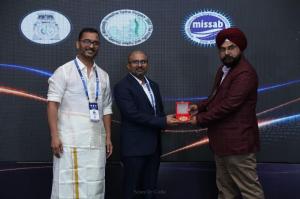
Scientific acknowledgment was presented to Dr. Rao for his research talk at the PASMISS–MISSABCON–COSSCON 2026 gathering in Chennai, underscoring his input into minimally invasive neurosurgical research.
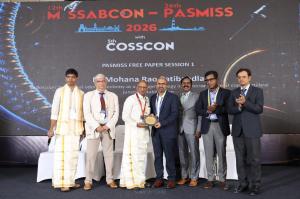
A Gold Medal from COSSCON 2026 for the Best Paper was awarded to Dr. Rao in recognition of his scientific work presented at the PASMISS–MISSABCON–COSSCON 2026 conference in Chennai.
The cover of SiliconIndia Healthcare’s Top 10 Neurosurgeons in India 2026 edition features Dr. Mohana Rao Patibandla, the Founder of Dr. Rao’s Hospital – International Institute of Neurosciences (IIN), located in Guntur.
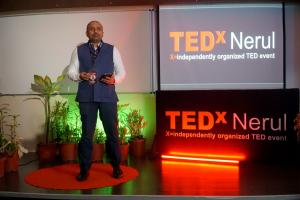
At the independently organized TEDx Nerul event, Dr. Mohana Rao Patibandla delivered a talk on stage against a vivid background and red circular rug.
World Spinal Cord Injury Day 2026: Dr. Rao underlines early spine surgery, prevention, rehabilitation, and advanced spine care at Dr. Rao’s Hospital – IIN
Injuries to the spinal cord represent neurosurgical emergencies. Prompt diagnosis, timely surgery, and rehabilitation can preserve function and enhance quality of life.”— Dr. Mohana Rao Patibandla, Neurosurgeon & Founder, Dr. Rao’s HospitalGUNTUR, ANDHRA PRADESH, INDIA, September 6, 2026 /EINPresswire.com/ — On World Spinal Cord Injury Day 2026, Dr. Mohana Rao Patibandla is advocating for prompt surgery, accelerated trauma management, and prevention to lower spinal cord disability across India
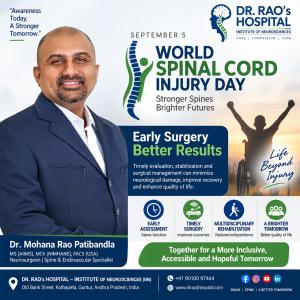
Dr. Rao’s Hospital – International Institute of Neurosciences (IIN) marks World Spinal Cord Injury Day 2026 by delivering the public health message: “Early Surgery. Better Results.”
GUNTUR, Andhra Pradesh, India — September 5, 2026
Dr. Mohana Rao Patibandla, who serves as Founder and Senior Consultant Neurosurgeon at Dr. Rao’s Hospital – International Institute of Neurosciences (IIN), has urged enhanced community awareness, prevention measures, swift emergency responses, early spinal surgical intervention, and thorough rehabilitation programs in observance of World Spinal Cord Injury Day 2026, celebrated globally on September 5.
The International Spinal Cord Society (ISCoS) spearheads World Spinal Cord Injury Day, which is recognized worldwide to increase understanding of spinal cord injury prevention, urgent care, rehabilitation, accessibility, and enhancing the lives of those affected by spinal cord injuries. The overarching theme for 2026 — “From Awareness to Action: Ten Years Advancing SCI Prevention” — commemorates a decade of the international initiative and urges administrations, medical professionals, and societies to convert knowledge into concrete steps that avert spinal cord injuries and boost patient results.
During this significant global health event, Dr. Rao’s Hospital – International Institute of Neurosciences (IIN) restated its dedication to promoting evidence-backed spinal care through one straightforward message:
Early Surgery. Better Results.
World Spinal Cord Injury Day 2026
Who?
Dr. Mohana Rao Patibandla together with Dr. Rao’s Hospital – International Institute of Neurosciences (IIN) is spearheading a community education effort to inform patients, relatives, healthcare workers, and communities regarding spinal cord injury prevention, early detection, emergency handling, surgical procedures, and rehabilitation.
What?
A wide-ranging educational drive highlighting the need to view spinal cord injuries as time-critical neurological crises and promoting quick access to dedicated neurosurgical treatment.
When?
September 5, 2026 — World Spinal Cord Injury Day.
Where?
Dr. Rao’s Hospital – International Institute of Neurosciences (IIN), Old Bank Street, Kothapeta, Guntur, Andhra Pradesh, India.
Why?
Because spinal cord injuries persist as a primary source of lasting neurological impairment globally, numerous incidents can be avoided, and many individuals show considerable improvement with appropriate specialist care delivered in a timely manner.
How?
Via public instruction on prevention, early immobilization, prompt transport, sophisticated spinal operations, neurocritical management, multi-faceted rehabilitation, and ongoing long-term monitoring.
“Time is Spinal Cord”: Dr. Mohana Rao Patibandla
While commenting on World Spinal Cord Injury Day, Dr. Mohana Rao Patibandla stressed that spinal cord trauma deserves the same level of urgency as a stroke or severe traumatic brain damage.
“A spinal cord injury constitutes a neurosurgical emergency. The initial hours following trauma are critically significant because they can shape a patient’s neurological recovery for their entire existence. Early identification, decompression at an early stage when appropriate, spinal stabilization, and complete rehabilitation collectively provide patients with the greatest chance for healing.”
Dr. Rao pointed out that postponed care might worsen lasting neurological harm, whereas correctly timed surgical measures can safeguard spinal cord function, minimize complications, and boost long-term life quality.
“Our statement this World Spinal Cord Injury Day is straightforward and grounded in evidence: Early Surgery. Better Results.”
Why World Spinal Cord Injury Day Matters
Spinal cord injury (SCI) happens when trauma harms the spinal cord, interrupting communication between the brain and the body. Based on the intensity and location of the injury, SCI can bring about:
Reduced strength or paralysis in the arms and legs.
Loss of feeling beneath the injury level.
Issues with bladder and bowel control.
Breathing challenges in cervical-level injuries.
Ongoing neuropathic pain and muscle tightness.
Long-term disability affecting self-sufficiency and work.
According to the International Spinal Cord Society, the yearly event seeks to raise awareness, encourage prevention, improve access to emergency treatment, reinforce rehabilitation offerings, and support inclusion and accessibility for individuals living with SCI.
Spinal Cord Injuries in India: A Preventable Public Health Challenge
Dr. Rao noted that India continues to face a substantial load of spinal cord injuries resulting from trauma that is avoidable.
Common Causes Include
Motor vehicle accidents.
Falls from heights such as rooftops, trees, and staircases.
Construction site and industrial mishaps.
Sports-related and leisure injuries.
Falls among the elderly linked to osteoporosis and poor stability.
Recent studies within India have also pointed to falls as an increasingly notable cause of spinal cord injuries, especially amongst older individuals, underscoring the necessity for more robust preventive approaches throughout communities.
“Numerous spinal cord injuries can be avoided through safer roads, workplace safety measures, fall prevention efforts, and public education. Prevention remains the most effective form of treatment.”
Early Recognition Can Prevent Permanent Disability
Dr. Rao advised the public not to overlook neurological symptoms following trauma.
Seek Emergency Neurosurgical Evaluation Immediately If There Is:
Intense neck or back discomfort after an incident.
Loss of strength in the arms or legs.
Numbness or a pins-and-needles sensation.
Trouble walking or standing upright.
Loss of bladder or bowel command.
Difficulty breathing after neck trauma.
Sudden paralysis or absence of feeling.
He cautioned that even individuals who appear capable of movement initially could have unstable spinal conditions requiring urgent imaging and specialist assessment.
Early Surgery. Better Results.
The core message from Dr. Rao’s Hospital – International Institute of Neurosciences (IIN) for World Spinal Cord Injury Day 2026 is founded on modern neurosurgical evidence and clinical practice.
Why Early Surgery Matters
Early surgical intervention, when clinically suitable, may:
Reduce pressure on the spinal cord.
Secure unstable spinal fractures and dislocations.
Lessen ongoing neurological damage.
Boost the prospects for neurological recovery.
Enable earlier rehabilitation and patient mobilization.
Lower complications linked to extended periods of immobility.
Dr. Rao explained that incomplete spinal cord injuries frequently have surviving nerve pathways that may recover more effectively when timely decompression and stabilization are carried out in suitable patients.
“Every hour counts following spinal trauma. Time is spinal cord.”
The Golden Hours After a Spinal Cord Injury
The timeframe directly following spinal trauma is vital.
Dr. Rao’s Emergency Spine Safety Checklist
Avoid moving the injured person needlessly.
Maintain alignment of the neck and spine.
Prevent twisting or bending the spine.
Contact emergency medical services right away.
Convey the patient to a dedicated neuroscience or trauma center.
Guarantee urgent neurological evaluation and spinal imaging.
Dr. Rao warned families against lifting or moving patients without appropriate spinal immobilization, as incorrect handling could worsen neurological damage.
Comprehensive Spinal Cord Injury Care at Dr. Rao’s Hospital – International Institute of Neurosciences (IIN)
Dr. Rao’s Hospital provides integrated spinal cord injury treatment through a multi-disciplinary neuroscience team.
Specialized Services Include
Emergency spinal trauma operations.
Surgery on the cervical, thoracic, and lumbar spine.
Microsurgical decompression of the spine.
Minimally invasive spinal procedures.
Neurocritical management.
Advanced MRI and CT imaging.
Neurological rehabilitation programs.
Physical and occupational therapy.
Extended follow-up for spinal cord injury patients.
The hospital’s all-encompassing method focuses on preserving neurological function, restoring mobility whenever feasible, preventing complications, and maximizing patient autonomy.
Rehabilitation Begins on Day One
Healing from a spinal cord injury extends well past the surgery itself.
Dr. Rao emphasized that rehabilitation needs to start right after stabilization and continue through every stage of recovery.
Comprehensive Rehabilitation Includes
Physical therapy to enhance strength and movement.
Occupational therapy to foster independence in daily tasks.
Bladder and bowel retraining.
Respiratory therapy for cervical-level injuries.
Management of pain and muscle spasticity.
Psychological support and education for families.
“Rehabilitation is not the concluding phase of treatment—it is a crucial component of recovery from the very start.”
Preventing Spinal Cord Injuries: Everyone Has a Role
Dr. Rao encouraged individuals, households, educational institutions, industries, and government officials to give priority to spinal injury prevention.
Prevention Tips
Put on approved helmets while riding motorcycles.
Consistently fasten seat belts in cars.
Adhere to workplace and construction safety regulations.
Set up railings and grab bars to avoid falls within the home.
Promote fall-risk assessment for senior citizens.
Employ protective equipment during athletic activities.
Instruct children about safe play and injury avoidance.
He stressed that reducing spinal injuries demands cooperation between healthcare providers, emergency personnel, teachers, employers, and community groups.
A Call for Better Trauma Systems in India
Dr. Rao advocated for stronger emergency spinal care systems throughout India, which include:
Quicker trauma referral processes.
Enhanced ambulance transport and spinal immobilization practices.
Higher awareness levels among first responders.
Greater availability of specialized neuroscience facilities.
Broadened rehabilitation offerings in both urban and rural settings.
“Every patient deserves prompt access to specialized spinal cord injury care regardless of their location. Awareness must translate into action across India’s healthcare system.”
Official World Spinal Cord Injury Day 2026 Message from Dr. Rao’s Hospital – International Institute of Neurosciences (IIN)
For World Spinal Cord Injury Day 2026, Dr. Rao’s Hospital – International Institute of Neurosciences (IIN) urges every family to recall three life-saving guidelines:
Protect the Spine. Prevent Injuries. Seek Early Neurosurgical Care.
Prompt identification, specialized spinal surgical procedures, neurocritical management, and thorough rehabilitation can preserve neurological capabilities and assist patients in attaining an improved quality of life.
Early Surgery. Better Results.
About Dr. Mohana Rao Patibandla
Dr. Mohana Rao Patibandla serves as the Founder and Senior Consultant Neurosurgeon at Dr. Rao’s Hospital – International Institute of Neurosciences (IIN) situated in Guntur, Andhra Pradesh, India. He is a neurosurgeon with international fellowship training and advanced expertise in Skull Base Neurosurgery, Pediatric Neurosurgery, Endovascular and Cerebrovascular Neurosurgery, Functional and Stereotactic Neurosurgery, Neuro-Oncology, and Minimally Invasive Neurosurgery obtained from prominent institutions in the United States.
Dr. Rao has obtained national and international acclaim for his work in advanced neurosurgery and minimally invasive spinal procedures.
Prestigious National and International Awards
The Brainlab Neurosurgery Award from the Congress of Neurological Surgeons (CNS), USA for quality and innovation in neurosurgery.
The MISSABCON Award from the Minimally Invasive Spine Surgeons Association of Bharat (MISSAB) for noteworthy contributions to minimally invasive spine surgery.
The PASMISSCON Award from the Pacific Asia Society for Minimally Invasive Spine Surgery (PASMISS) for distinction