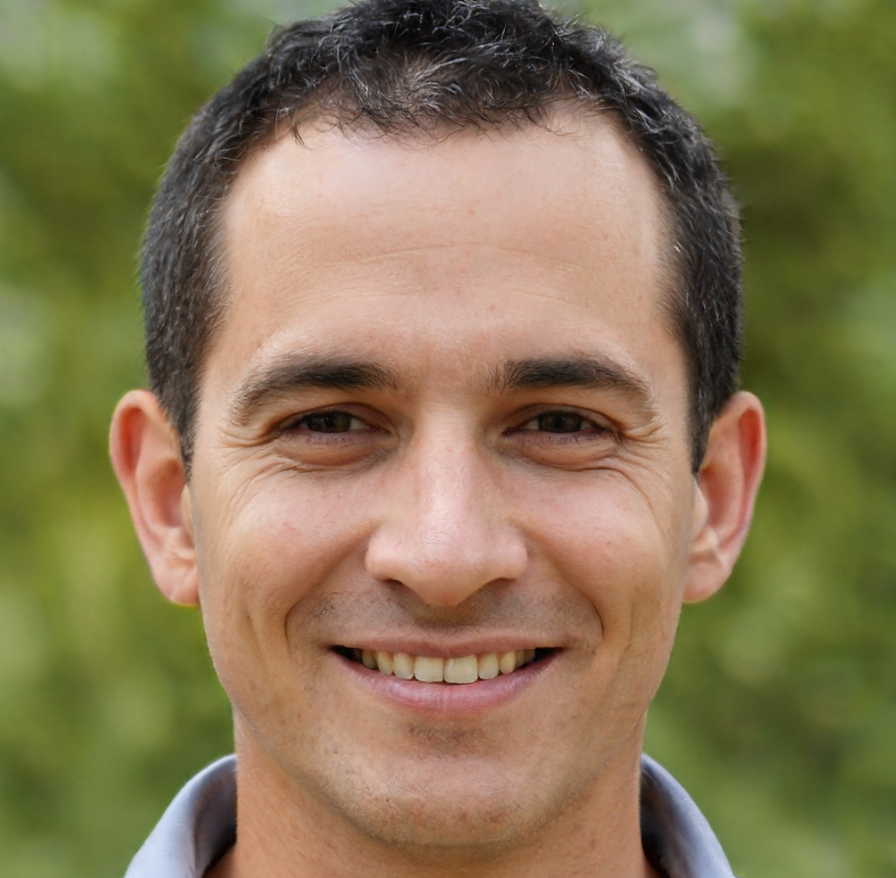
Martyn Kingsley, who goes by the professional name MartynGBuckets of MGBSP Services, underscores the need to ready enterprises for financial, legal, and operational hazards.

Official Saku Hiewa LLC logo representing the company’s entrepreneur development and operational infrastructure platform.
The firms examine how legal, financial, and operational preparation can help businesses withstand setbacks and protect long-term growth.
Strong businesses don't just plan for growth. They understand their exposure and build the financial, legal, and operational systems needed to remain resilient when circumstances change.”— Brandon Ford
KANSAS CITY, KS, UNITED STATES, August 28, 2026 /EINPresswire.com/ — Expansion tends to dominate the attention of entrepreneurs and corporate leaders, yet Saku Hiewa and MGBSP Services are drawing attention to an equally vital element of lasting business development: getting ready for when things do not proceed as expected.
Companies of all sizes confront legal, financial, and operational threats. Contractual disagreements, late payments, unforeseen costs, system outages, reliance on a narrow client base, supplier interruptions, and shifting market dynamics can rapidly reveal weaknesses inside an organization. Although no company can eliminate every risk, firms can put in place mechanisms designed to reduce exposure and bolster their capacity to respond.
Brandon Ford, who founded Saku Hiewa, and Martyn Kingsley, professionally known as MartynGBuckets of MGBSP Services, contend that risk management ought to be woven into business strategy well before any emergency unfolds. Instead of seeing risk management purely as a defensive tactic, they regard preparation as part of constructing an organization that can chase opportunities without unnecessarily endangering its core.
Financial readiness makes up one piece of that approach. Companies that grasp their cash flow needs, keep suitable liquidity on hand, track liabilities, and lessen overreliance on single clients or income streams can gain more flexibility when circumstances shift.
Legal readiness holds equal weight. Well-drafted contracts can define payment terms, duties, ownership rights, exit clauses, dispute resolution methods, and accessible remedies before conflicts arise. Organizations that delay addressing these issues until a relationship deteriorates may discover their choices are far more constrained.
Operational resilience offers another layer of defense. Businesses should consider what would happen if a critical staff member left, a key supplier failed to deliver, essential technology went down, or a major client abruptly ended the relationship. Documented workflows, backup systems, diversified partnerships, and clearly allocated duties can lessen the disruption caused by such events.
For Kingsley and Ford, risk strategy also influences how business opportunities should be assessed. Revenue potential is only one side of any deal. Decision-makers must also weigh capital needs, contractual obligations, operational demands, counterparty trustworthiness, possible liabilities, and the fallout if expected outcomes do not materialize.
This leads to a more disciplined question for business leaders: not just “What could this opportunity bring in?” but also “What happens if it fails?”
As organizations grow, this distinction becomes increasingly vital. Expansion can generate additional revenue and possibilities while simultaneously introducing employees, vendors, financing sources, technology platforms, customers, and strategic partners that create new dependencies.
Saku Hiewa and MGBSP Services stress that crafting a risk strategy does not mean avoiding risk entirely. Entrepreneurship and growth inherently involve uncertainty. Effective risk management instead offers a framework for deciding which risks are acceptable, which exposures should be reduced, and where extra safeguards might be needed.
As economic conditions, technology, customer expectations, and competitive landscapes keep evolving, organizational resilience can turn into a meaningful competitive edge.
Through their work with Saku Hiewa and MGBSP Services, Brandon Ford and Martyn Kingsley (MartynGBuckets) continue to highlight the necessity of pairing growth strategies with the infrastructure required to safeguard that growth.
No successful business can foresee every obstacle. But every business can determine how prepared it will be when one arrives.
Martyn Kingsley
MGBSP SERVICES LLC
+1 610-229-1054
email us here
Visit us on social media:
LinkedIn
Instagram
Facebook
YouTube
TikTok
X
Other