Biliary atresia (BA) stands as the primary reason children undergo liver transplantation, and despite surgical correction, the majority of infants ultimately progress to liver failure. A thorough analysis of recent findings now identifies the gut microbiome — the extensive collection of bacteria inhabiting the digestive system — as a crucial element in the progression of this devastating condition. The research shows that infants with BA possess a notably disrupted gut microbial environment, characterized by an excessive presence of pathogenic bacteria and a significant reduction in helpful microbes such as Bifidobacterium. These microbial imbalances are detectable prior to surgery and are strongly associated with unfavorable results, including the inability to resolve jaundice and accelerated disease advancement. The analysis proposes that the gut-liver axis — the bidirectional communication pathway linking the intestines and the liver — may be essential for comprehending why certain children experience better outcomes than others.
BA is a progressive fibro-obliterative disorder of the bile ducts, impacting roughly one in every 10,000 to 15,000 infants globally. The Kasai portoenterostomy, which is the standard surgical treatment, aims to reestablish bile flow by connecting the liver directly to the small intestine. Nevertheless, only around 60% of infants achieve sufficient bile drainage, and even in those who do, ongoing liver damage frequently continues. In spite of many years of investigation and numerous post-operative therapies — such as antibiotics, bile acid medications, and steroids — the majority of patients still require a liver transplant by early adulthood. The gut microbiome has become a significant factor in liver diseases, yet its involvement in neonatal and infant liver conditions — during a phase when the microbial ecosystem is still maturing — has remained mostly unexamined. Given these obstacles, there is a pressing requirement for thorough research into how the gut-liver-microbiota axis impacts BA development and clinical results.
A recent review published on January 7, 2026, in the World Journal of Pediatric Surgery brings together current evidence regarding the gut microbiome in BA. The research, led by Dr. Vandana Jain, examines microbial composition in patients before and after the Kasai procedure, identifies recurring patterns of dysbiosis, and investigates how these microbial disruptions may contribute to disease progression through pathways involving bile acid metabolism, bacterial translocation, and immune regulation.
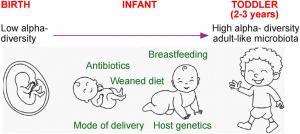
The review identifies a notably uniform microbial signature in BA across various studies, despite variations in patient groups and laboratory techniques. Prior to surgery, infants with BA exhibit a pronounced alteration in microbial composition when compared to healthy infants — with pathogenic bacteria such as Streptococcus, Enterococcus, Veillonella, Klebsiella, and Clostridium becoming dominant, while beneficial commensals like Bifidobacterium, Faecalibacterium, and Blautia are significantly diminished. This pattern continues and even intensifies following the Kasai procedure, driven not only by persistent cholestasis but also by clinical practices like lower breastfeeding rates and the regular administration of broad-spectrum prophylactic antibiotics, both of which are recognized for suppressing beneficial bacteria. Importantly, the reduction of Bifidobacterium has been connected to poorer jaundice resolution, heightened liver fibrosis, and a greater likelihood of post-surgical cholangitis — a severe and frequent complication that further harms the liver. The review also emphasizes emerging evidence that microbial metabolites, especially short-chain fatty acids such as acetate and butyrate, may serve protective functions, with butyrate demonstrating potential anti-fibrotic properties in experimental models. Disruptions in bile acid metabolism, influenced by gut bacteria through enzymes like bile salt hydrolase, further worsen the situation, establishing a harmful cycle of liver injury and microbial imbalance.
“The gut microbiome is not merely an observer in BA — it seems to be an active driver of disease progression,” the authors stated. “We are observing consistent trends where harmful bacteria proliferate and beneficial ones like Bifidobacterium are diminished, and these alterations correlate with how well patients fare after surgery. The encouraging aspect is that the microbiome can be altered. If we can determine how to safeguard and reestablish a healthy microbial environment in these infants, we may be able to alter the course of their illness.”
The findings create opportunities for novel therapeutic strategies for BA, where treatment options have stayed restricted for many years. Approaches that modify the microbiome — such as probiotics, prebiotics, and possibly fecal microbiota transplantation — have demonstrated effectiveness in adult liver conditions and could be tailored for infants. Early trials involving Lactobacillus rhamnosus GG have produced inconsistent results, indicating that strain selection, timing, and combination methods will be essential. The review also advocates for a reassessment of current clinical practices, including the routine use of prophylactic antibiotics immediately after the Kasai procedure, which may unintentionally disturb the developing microbiome. By incorporating microbiome science into clinical care, researchers aim to enhance native liver survival and decrease the necessity for liver transplantation in these susceptible infants.
References
DOI
10.1136/wjps-2025-001068
Original Source URL
https://doi.org/10.1136/wjps-2025-001068
Lucy Wang
BioDesign Research
email us here