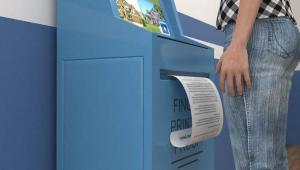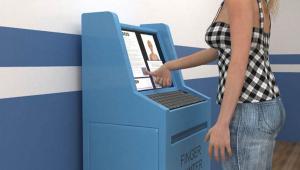
PITTSBURGH, PA, UNITED STATES, August 25, 2026 /EINPresswire.com/ — Tywana W, a resident of Philadelphia, PA, has developed the Finger Printer Proof, a biometric-based document authorization station designed to ensure accurate user identification during real estate closings and other legal paperwork processes. The device employs fingerprint authentication to create a direct link between an authorized person and a transaction, with the ability to attach a fingerprint record or image to the corresponding document.
The station is built as a fixed, tabletop unit that records a user’s fingerprint via an integrated biometric reader. Prior to allowing a transaction to move forward or be completed, the system checks the user’s identity using the captured biometric data. In real estate scenarios, the system can show the properties linked to the transaction and offer a method to transfer a copy of the fingerprint scan onto a property deed or other approved document.
Real estate deals often involve large financial and legal stakes, making precise identification of the participants a crucial element of the paperwork process. Conventional signature and identity verification methods may require multiple documents and can create difficulties when questions arise about who approved or signed a particular document. Property disputes can also demand substantial time and money to verify the identity and authority of the people involved.
The Finger Printer Proof adds a biometric layer to this process by using a fingerprint as an extra identifying marker. During a transaction, the user places a finger on the station’s scanning pad, enabling the system to capture the individual’s biometric data. That captured information can then be used to verify the person against an authorized transaction record before the transaction is permitted to continue.
The system can be set up to show relevant property details after successful identification. Once the appropriate transaction is selected and the user’s identity is confirmed, the system can allow the associated document to be executed. An additional feature enables an image or representation of the captured fingerprint to be placed on the deed, creating a visible biometric link between the identified person and the document.
Key features and benefits include:
• Biometric user identification: Uses fingerprint scanning to establish the identity of an individual before an authorized transaction proceeds.
• Dedicated signing kiosk: Provides a desk-mounted platform for biometric document authorization.
• Fingerprint-to-document association: Provides a mechanism for placing a fingerprint image or representation on a deed or other document.
• Transaction authorization: Requires positive identification before a transaction can be finalized.
• Potential multi-purpose application: The biometric signing concept can be adapted for other transactions requiring verified authorization.
• Reduced reliance on manual identification: Uses biometric characteristics rather than relying solely on names, signatures, or other manually entered information.
Although the primary application is directed toward real estate transactions, the underlying kiosk architecture may be applicable to other situations in which positive identity verification is required before a document can be authorized. The system could potentially support financial, governmental, contractual, or other document workflows in which an authenticated individual must approve a transaction.
Ultimately, the Finger Printer Proof combines biometric scanning, transaction management, document authorization, and fingerprint-image integration into a single kiosk-based platform. The system provides an additional method for establishing who authorized a real estate transaction while creating a more directly identifiable relationship between the individual, the transaction, and the associated documentation.
Tywana filed her Utility Patent with the United States Patent and Trademark Office (USPTO) and is working closely with InventionHome, a leading invention licensing firm, to sell or license the patent rights to her Finger Printer Proof product. Ideal licensing candidates would be U.S. based product manufacturers or distributors looking to further develop and distribute this product innovation.
Companies interested in the Finger Printer Proof can contact InventionHome at member@inventionhome.com. Inventors currently looking for assistance in patenting, marketing, or licensing their invention can request information from InventionHome at info@inventionhome.com or by calling 1-866-844-6512.
About InventionHome®
InventionHome® is a top-rated invention marketing and product licensing company dedicated to helping inventors successfully patent, prototype, and promote their new product ideas. From securing intellectual property to connecting with potential licensees, InventionHome® offers a streamlined path to commercialization. Learn more at https://www.inventionhome.com or email info@inventionhome.com.
For expert guidance on every step of the invention process, visit our growing library of inventor resources and articles at https://inventionhome.com/articles.
InventionHome
InventionHome
+1 866-844-6512
info@inventionhome.com